
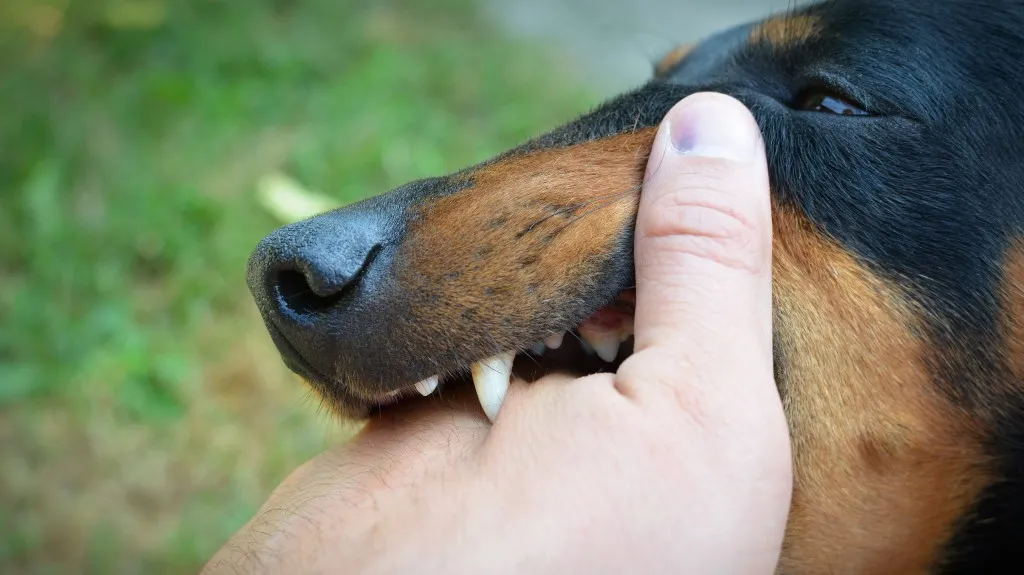
A dog bite can leave victims with far more than just physical injuries. Depending on the severity of the attack, a person may require emergency medical care, surgery, rehabilitation, or ongoing treatment for scarring and emotional trauma. In addition to recovering physically, many victims are left wondering who is legally responsible for their injuries.
In Delaware, liability for a dog bite depends on the circumstances surrounding the attack and the applicable state laws. Understanding how responsibility is determined can help injured individuals better understand their legal options after a dog bite incident.
Who Can Be Held Responsible for a Dog Bite?
In many cases, the dog’s owner may be legally responsible for injuries caused by the animal. However, liability is not always limited to the owner alone. Depending on the facts, another person or entity responsible for controlling or caring for the dog at the time of the attack may also share responsibility.
Determining liability often requires examining who had control of the dog, where the incident occurred, and whether reasonable steps were taken to prevent the attack.
How Delaware Law Addresses Dog Bite Claims
Dog bite cases in Delaware are generally evaluated under the state’s laws governing animal attacks and negligence. The specific facts surrounding the incident often determine whether the owner or another responsible party may be held liable.
Factors that may be considered include:
- Whether the dog had previously shown aggressive behavior
- Whether the owner failed to control or restrain the dog
- Whether local leash laws or animal control ordinances were violated
- Whether the injured person was lawfully on the property
Since every case is different, liability often depends on a careful review of the circumstances surrounding the attack.
What If the Bite Happened on Private Property?
Many dog bites happen at private residences. In these situations, the location of the attack doesn’t automatically prevent an injured person from pursuing a claim.
However, whether the victim had permission to be on the property may impact the legal analysis. For example, a guest, delivery driver, or contractor that’s lawfully visiting the property may have different legal rights than someone who entered the property without authorization.
The facts surrounding the incident remain critical in determining liability.
Can the Victim Share Responsibility?
In some situations, the actions of the injured person may also become an issue. A dog owner or insurance company may argue that the victim provoked the dog, ignored warnings, or otherwise contributed to the incident.
Delaware follows a modified comparative negligence system that follows the idea that if an injured person is found partially responsible for the attack, any compensation may be reduced by their percentage of fault. If they’re found to be more than 50% responsible, they may be barred from recovering damages entirely.
Because fault can influence the outcome of a claim, gathering evidence after the incident is important.
What Compensation May Be Available?
A serious dog bite can create significant financial, physical, and emotional challenges. Depending on the circumstances, an injured person may be able to pursue compensation for losses like medical expenses, future medical treatment, lost wages, or pain and suffering.
The value of a claim depends on the severity of the injuries, the long-term effects of the attack, and the available evidence.
Evidence That Can Strengthen a Dog Bite Claim

Building a successful claim often depends on preserving evidence as soon as possible after the attack.
Helpful evidence includes things like photographs of the injuries, medical records, witness statements, and animal control reports.
Immediate documentation can make it easier to establish both liability and the extent of the injuries.
Why Legal Guidance Can Help
Dog bite cases often involve questions about liability, insurance coverage, and the extent of the victim’s injuries. Working with Nitsche & Fredricks, LLC can help injured individuals understand their rights and evaluate their best legal options. Make sure you reach out for a consultation today.