
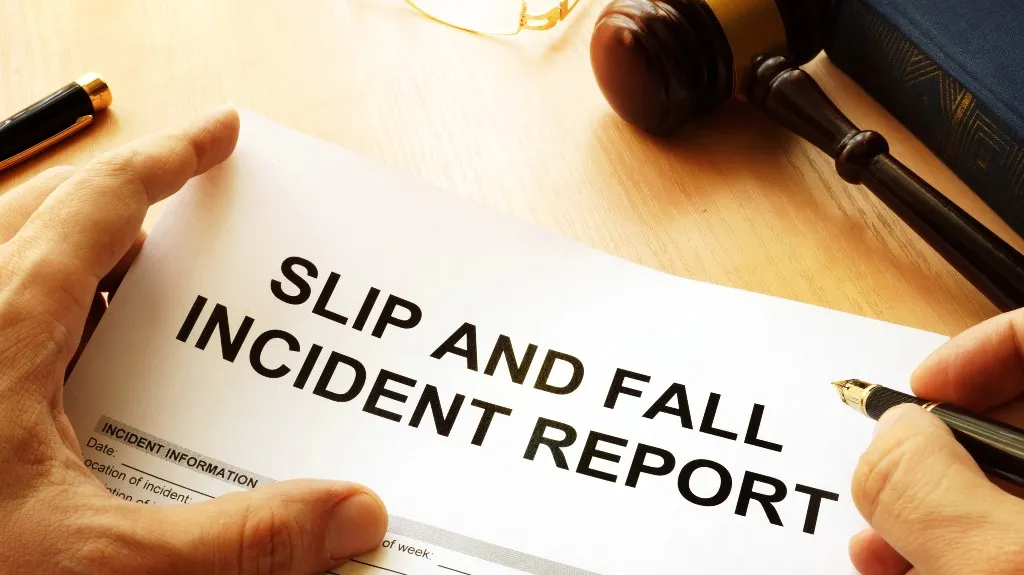
A slip and fall accident can happen almost anywhere, whether it’s a grocery store, restaurant, retail shop, or parking lot. While some falls result in only minor injuries, others can cause broken bones, head injuries, spinal injuries, or long-term mobility issues.
If your fall occurred because of a hazardous condition on someone else’s property, you may wonder whether you can hold the business legally responsible. In Delaware, the answer depends on the specific facts of the accident, including why the fall occurred and whether the business failed to maintain reasonably safe premises.
When Can a Business Be Held Liable?
Businesses have a legal duty to take reasonable steps to keep their premises safe for customers and other lawful visitors. This doesn’t mean that they are automatically responsible for every accident that occurs on their property.
Generally, a business may be liable if it:
- Created a dangerous condition
- Knew about a hazardous condition but failed to fix it
- Should have discovered the hazard through reasonable inspections
- Failed to provide adequate warnings about a known danger
Whether a business acted reasonably often becomes one of the central issues in a slip and fall claim.
Common Causes of Slip and Fall Accidents
Many different hazards can lead to a slip and fall. Some of the most common include wet floors, recently mopped surfaces without warning signs, uneven flooring, loose carpeting, broken sidewalks, and poor lighting.
The key question to ask is whether the business had a reasonable opportunity to identify and correct the dangerous condition before the accident happened.
Proving Negligence in a Delaware Slip and Fall Case
Simply falling inside of a business doesn’t automatically create a legal claim. To recover compensation, an injured person generally needs to show that the business’s negligence caused the accident.
Evidence that may establish negligence includes photographs of the hazard, surveillance footage, witness statements, incident reports, and medical documentation that connects the injuries to the fall itself.
The stronger the evidence, the easier it may be to demonstrate that the business failed to meet its full duty to maintain a reasonably safe property.
What Compensation May Be Available?
If a business is found legally responsible for a slip and fall accident, an injured person may be able to recover compensation for both economic and non-economic losses.
Depending on the circumstances, damages may include:
- Medical expenses
- Future medical treatment
- Lost wages
- Reduced earning capacity
- Pain and suffering
- Permanent disability or impairment
The value of a claim depends on factors like the severity of the injuries, the impact on daily life, and the available evidence.
Delaware’s Comparative Negligence Rule
Delaware follows a modified comparative negligence system. This means that more than one party can share responsibility for an accident.
For example, a business can argue that the injured person was distracted, ignored warning signs, or failed to exercise reasonable care. If the injured person is found partially at fault, any compensation awarded may be reduced by their percentage of responsibility.
However, if the injured person is found to be more than 50% responsible for the accident, they generally can’t recover damages.
Since fault can significantly impact the outcome of a claim, gathering evidence early is especially important.
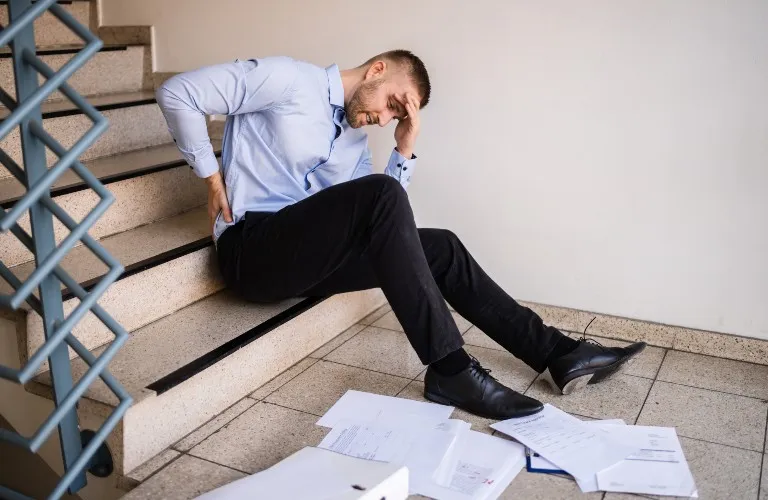
How Long Do You Have to File a Claim?
Slip and fall claims are subject to legal deadlines known as statutes of limitations. If a claim isn’t filed within the applicable time period, you may lose the ability to seek compensation altogether.
Because evidence can disappear and witness memories fade over time, it’s generally best to begin evaluating your legal options as soon as possible after the accident.
Why Legal Guidance Can Help
Slip and fall cases can involve disputes over liability and dangerous conditions. Businesses and their insurance companies can argue that the hazard was obvious or that reasonable care was exercised.
This is why it’s important to consult the right legal guidance to ensure you’re accurately represented, and your rights are protected. Make sure you reach out to Nitsche & Fredricks, LLC today.