
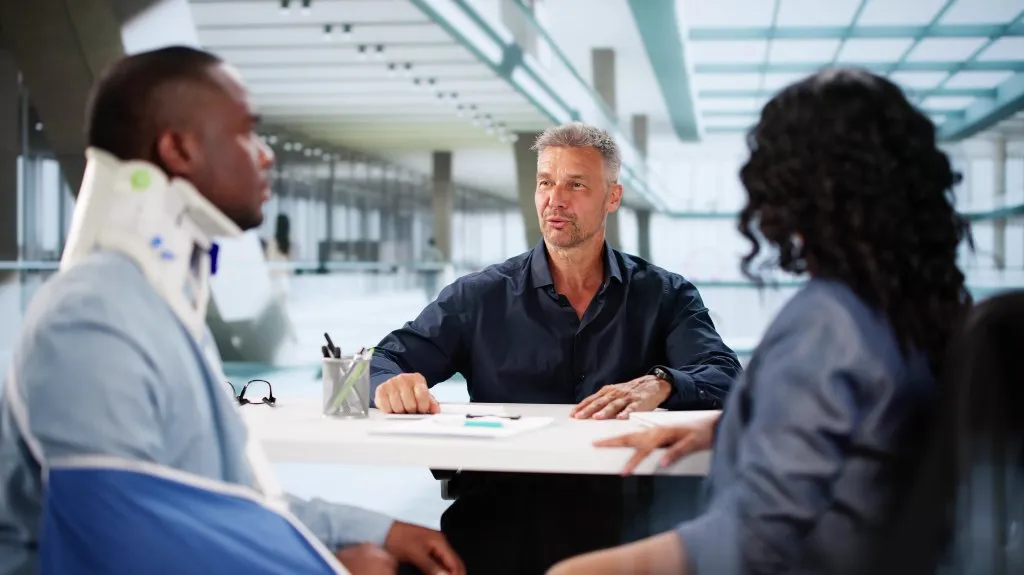
A personal injury accident can turn your life upside down in a matter of seconds. Whether you were injured in a car accident, slip and fall, dog bite incident, or another preventable accident, you may suddenly find yourself dealing with medical bills, missed work, pain, and uncertainty about what comes next.
The actions that you take immediately after an accident can impact both your recovery and your ability to pursue compensation. Understanding what to do in the days following an injury can help protect your health, preserve important evidence, and strengthen any potential legal claim.
Prioritize Your Medical Recovery
Your health should always come first. Even if your injuries initially seem minor, it’s important to follow through with recommended medical treatment and attend all follow-up appointments.
Some injuries, including concussions, soft tissue damage, and internal injuries, may not fully appear until hours or days after the incident. Seeking prompt treatment creates a medical record that documents the injury and its connection to the accident.
Consistent treatment can also help prevent insurance companies from arguing that your injuries were unrelated or less serious than claimed.
Report the Accident
Depending on the type of accident, it’s important to ensure that the incident is properly reported.
For example:
- Car accidents should generally be reported to law enforcement when appropriate
- Slip and fall accidents should be reported to the property owner or manager
- Workplace injuries should be reported to an employer promptly
An official report can help create a record of the incident and may become important evidence later on.
Document Everything You Can
Evidence can often disappear quickly after an accident. If possible, begin gathering information as soon as you can.
Examples of useful documentation include things like photographs of the accident scene, pictures of injuries, property damage photographs, and witness names and contact information.
The more evidence that you preserve early, the easier it may be to establish what happened and who was responsible.
Keep Detailed Records of Your Losses
A personal injury claim is about more than proving an accident occurred. You must also demonstrate how the injury affected your life financially, physically, and emotionally.
Consider maintaining documents of medical records, lost wages, and physical therapy expenses.
It may also be helpful to keep a journal documenting pain level, physical limitations, and how the injuries impact your daily activities.
Be Careful When Speaking with Insurance Companies
Insurance adjusters often contact injured individuals shortly after an accident. While they may seem helpful, their goal is typically to evaluate and resolve claims for as little as possible.
When speaking with insurance representatives, try sticking to the basic facts. Speculating on anything can hurt your case later down the line. It’s also important to not minimize your injuries, as insurance companies can try using this against you when the time comes.
Since the full extent of an injury might not be known immediately, it’s generally wise to avoid accepting a quick settlement before understanding the long-term impact of the accident.
Avoid Discussing the Accident on Social Media
Social media activity can sometimes create problems in personal injury cases. Insurance companies and defense attorneys may review public posts, photos, and comments looking for information that could be used to challenge a claim.
Even innocent posts can be taken out of context and used to argue that injuries aren’t as serious as alleged. Limiting discussions about the accident online is often a smart precaution.
Understand Delaware’s Comparative Negligence Rules

Delaware follows a modified comparative negligence system. This means that fault may be shared among multiple parties involved in an accident.
If you’re found partially responsible for the incident, your compensation may be reduced by your percentage of fault. However, if you’re determined to be more than 50% responsible, you may be unable to recover damages.
Why Legal Guidance Can Help
Personal injury claims can involve complicated legal, medical, and insurance issues. Working with Nitsche & Fredricks, LLC can help injured individuals understand their rights and make informed decisions after an accident. Make sure you reach out for your consultation today.